Amazon A+ Content vs Noon: Where Should UAE Brands Invest for Higher ROI?
nAs competition intensifies across major e-commerce platforms in the UAE, brands face a pressing strategic challenge: where should they allocate resources to create premium product content that truly converts? For many established names selling on both marketplaces, the question of
Amazon A+ Content vs Noon Premium Brand Pages has become a critical ROI consideration. Done right, either strategy can drive stronger customer engagement, higher conversion rates, and long-term brand loyalty. Done poorly—or duplicated across platforms—these efforts can quickly become inefficient and costly.nnIn this article, we’ll unpack the core differences, strategic benefits, and pitfalls of each platform. Using Brick2Bytes’ proprietary Brand Content ROI Framework (BC-R Framework), we’ll guide you step-by-step in making informed, data-backed decisions on where your Dubai-based brand should invest next.n
nnn| Feature/Aspect | nAmazon A+ Content | nNoon Enhanced Content (Noon's equivalent) | n
nn| Definition | nEnhanced content for product detail pages, showcasing brand story and product features beyond standard listings. | nCapabilities within standard listings and dedicated brand pages to enrich product presentation and brand presence. | n
nn| Program Name | nAmazon A+ Content (Standard & Premium) | nNo single named program (comprises various features) | n
nn| Target Audience | nBrand-registered sellers & vendors | nBrand-registered sellers | n
nn| Eligibility | nAmazon Brand Registry enrollment (additional criteria for Premium A+). | nBrand registration on Noon. | n
nn| Content Elements | nnn - Rich text descriptions
n - High-quality images (lifestyle, in-action)
n - Comparison charts
n - Videos (Premium A+)
n - Brand story modules
n - Clickable Q&A (Premium A+)
n n | nnn - High-resolution images (multiple angles, lifestyle)
n - Detailed product descriptions, features, and highlights
n - PDP Videos: Directly embedded on Product Detail Pages (MP4, <2 min, <8MB).
n - Brand Stores: Customizable dedicated brand pages with banners, product carousels, text links.
n - Noon Finds: Separate video-commerce platform for shoppable short-form videos (15s-3min).
n - No explicit built-in comparison chart module found.
n n | n
nn| Brand Storytelling | nDedicated A+ Brand Story section, modular design. | nThrough Brand Stores, detailed product descriptions. | n
nn| Impact on Conversion | nClaimed 3-10% (Standard A+), up to 15% (Premium A+). | nImplied general benefits of enhanced content (higher conversion, improved brand sentiment); Noon-specific data is less public. | n
nn| Cost | nFree for eligible brand-registered sellers. | nGenerally included as part of standard seller tools; no additional explicit cost. | n
nn| Access/Creation | nVia Seller Central, using modular templates. | nVia Seller Lab, using templates for SKU creation, dedicated tools for Brand Store design. | n
nn| Complexity | nRelatively straightforward with templates; Premium A+ involves more design. | nStraightforward for basic enhancements; Brand Store creation requires design input. | n
nn| Primary Goal | nDrive conversion, build brand trust, reduce returns. | nEnhance product appeal, build brand presence, improve customer engagement. | n
nn
n
Why This Decision Matters for UAE E-commerce Brands
nThe UAE’s e-commerce ecosystem is maturing rapidly.
Digital transformation, mobile-first browsing behaviors, and platform-specific nuances mean that a “copy-paste” approach to brand storytelling simply doesn’t cut it anymore. Rich, contextual product narratives and visual hierarchy must now be tailored for each channel. Consider the following:n
n - Amazon.ae commands over 30% of the UAE’s e-commerce market share.
n - Noon remains a close second with dominant categories in beauty, electronics, and lifestyle.
n - According to RedSeer, UAE consumers are 1.7x more likely to convert on listings with localized, visually engaging content.
n
nWhether you manage consumer electronics, luxury fashion, or wellness products, content investments must be smart, not just beautiful. That leads us to the core question driving this guide: Which delivers more ROI—
Amazon A+ Content or Noon Premium Brand Pages?n
Breaking Down Amazon A+ Content
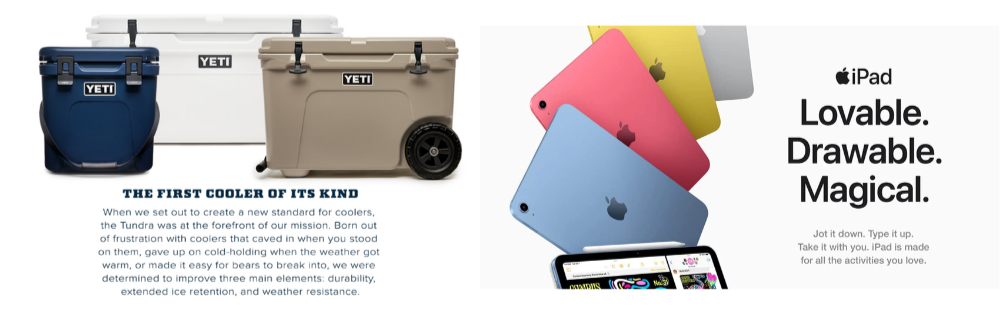
nAmazon A+ Content is a visually enhanced portion of a product detail page (PDP) that enables better brand storytelling through images, comparison charts, and module-based design. Existing in both Basic (free) and Premium tiers, A+ Content has proven efficacy in improving conversion rates—especially for high-ticket or FMCG products that benefit from visual education.nnHere’s what makes A+ Content powerful:n
n - Platform-native trust: Enhanced by Amazon’s reputation.
n - SEO amplification: Supports internal Amazon search ranking.
n - Engagement data: Amazon provides laddered insights into scroll depth and module performance.
n
n
nnIf you're looking to take your Amazon listings to the next level, consider reading our full
Amazon account management services to see how we can help tailor A+ content design and performance analysis to your product mix.n
Understanding Noon Premium Brand Pages
nNoon's Premium Brand Pages serve as digital storefronts offering curated space for brands to share their identity, story, and catalogue in a mobile-optimized layout. Notably effective in lifestyle, fashion, and personal care categories, these pages benefit from:n
n - Homepage visibility via sponsored slots and seasonal campaigns.
n - Cross-device design, outperforming on mobile where Noon customers predominantly engage.
n - Brand-led merchandising controls, allowing deeper curation than standard listings.
n
nOn Noon, a Premium Brand Page is more than eye candy—it’s a performance tool. But to make it count, brands must invest in high-resolution visuals, Arabic localization, and product storytelling mapped to Noon’s UI/UX behaviors.nnTo better understand these behaviors, our
Noon Seller Lab Deep Dive explains how to harness Noon’s analytics suite to optimize CTR and conversion.n
Using the BC-R Framework to Decide Where to Invest
nAt Brick2Bytes, we developed the Brand Content ROI Framework (BC-R Framework) to empower brands like yours with a structured roadmap. Here’s how it works:n
Step 1: Baseline Audit of Assets and Performance
nBegin by inventorying your current listings across both platforms. What percentage of your top SKUs are using A+ Content on Amazon? Do you have a live Premium Brand Page on Noon? Leverage Amazon Seller Central and Noon’s Brand Portal to pull engagement data such as impressions, click-through rate (CTR), and conversion rates.nnDon’t rely on assumptions. A data-led audit is essential for clarity.n
Step 2: Segment by Traffic Source and Purchase Intent
nCategories perform differently depending on where the customer begins their journey. Electronics and home appliances, for example, often do better on Amazon due to user trust and fast fulfillment workflows. Meanwhile, beauty and fashion traffic skews toward Noon due to their lifestyle-centric merchandising and mobile loyalty programs.nnOur experts rely heavily on Amazon Brand Analytics and Noon Vendor Insights to isolate high-value SKUs. This ensures you only invest in premium content where traffic—and intent—already exist.nnExplore our broader
marketplace management services to learn how unified insights across Amazon and Noon can be structured into one growth dashboard for your team.n
Step 3: Run A/B Tests to Quantify Uplift
nThis is where theory ends and testing begins. Select 2–3 high-margin SKUs on each platform. For Amazon, test a version with A+ Content vs. a minimal listing. For Noon, experiment with homepage banner links to your Premium Brand Page versus generic PDP exposure. Hold ad budgets steady to ensure a fair test environment.nnMeasure impact on the following key KPIs:n
n - CTR to PDP or brand page
n - Conversion Rate (CVR)
n - Engagement depth (via scroll or dwell time)
n
nAccording to data from several clients, Amazon A+ Content can prompt a 12–20% increase in CVR, while Noon Premium Pages typically drive stronger CTRs from homepage real estate—especially during campaign seasons like Ramadan and Yellow Friday.n
Step 4: Optimize and Scale Based on Results
nOnce test results are in, channel resources accordingly. If A+ Content shows ROI above 15% CVR uplift, expand its use across your top 20% revenue-driving ASINs. If Noon’s Brand Page click-throughs reveal outperforming visuals or messaging, update metadata and banners platform-wide.nnOne word of caution: don’t force parity. What works on Amazon may need adaptation for Noon’s UX, and vice versa.n
Common Mistakes Brands Must Avoid
nFrom our experience auditing multichannel setups, common pitfalls include:n
n - Assuming user behavior is identical. Consumer loyalty, urgency, and device preference vary tremendously by platform.
n - Blindly replicating content. Good A+ Content on Amazon needs retooling to resonate on Noon’s mobile-first layouts.
n - Measuring results too early. Most high-AOV products in the UAE require a 2–3 week purchase window, not just 7-day metrics.
n
nUnderstanding these nuances is key to capturing the full value of either content investment.n
Benchmarking Content ROI: Which KPIs Matter Most?
nTo track and improve performance, brands should monitor:n
n - Conversion Rate (CVR) per SKU per channel – Your North Star metric post content optimization. Aim for 10–15% increase.
n - Click-Through Rate (CTR) – Especially useful for brand landing pages on Noon.
n - Engagement Score or Scroll Depth – Use tools like A+ Insights and Brand Page analytics to understand how users interact with content.
n
nPerformance benchmarking becomes even more valuable when paired with user behavior insights. Our recent guide on
UAE consumer behaviour trends highlights what local audiences expect from premium listings in 2024.n
Conclusion: Choose Content Investments That Reflect Platform Truths
nUltimately, the debate around
Amazon A+ Content vs Noon Premium Pages isn’t about which platform is better—it’s about which offers the best conversion opportunity based on your product mix, traffic sources, and brand narrative. By applying the BC-R Framework, your team can make intelligent, channel-specific content investments that convert rather than duplicate.